Explore how companies are using AI to automate work, restructure teams and change employment in 2025 and 2026.
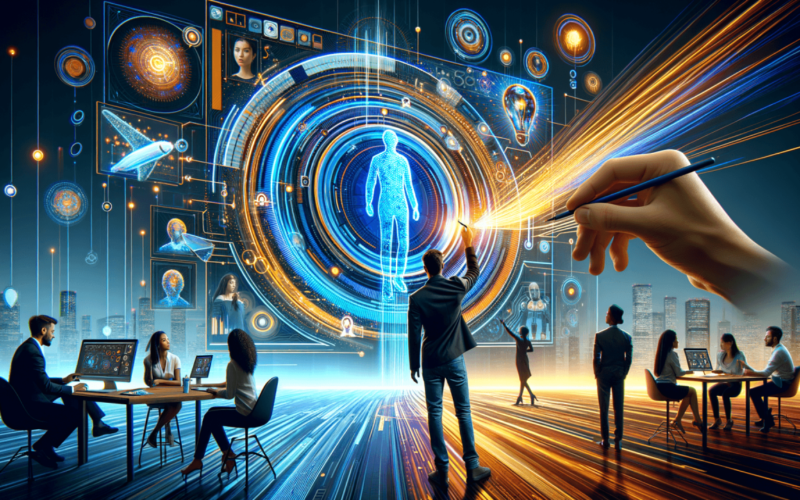
Artificial intelligence is changing how companies operate, from customer service and software development to administrative support and business operations. During 2025 and 2026, AI adoption has increasingly become part of discussions around workforce restructuring, productivity improvements and the future of employment.
Several major companies have announced job cuts, reorganized teams or expanded their use of AI-powered tools. However, not every layoff is directly caused by AI. Understanding the difference is essential to assessing how automation is changing the global job market.
How AI Is Changing the Workforce
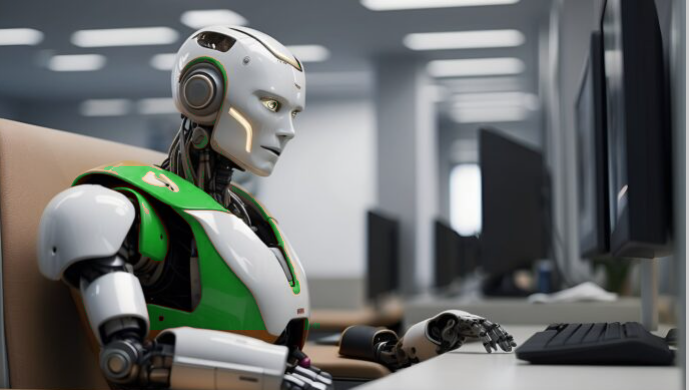
Companies are deploying generative AI, machine learning and automated systems to handle tasks that previously required significant human involvement. These include answering customer queries, generating software code, analyzing documents and processing routine business transactions.As these systems become more capable, employers may need fewer people for certain tasks while creating demand for employees with AI, data, security and technology management skills.
Why Companies Are Linking AI to Workforce Changes
Businesses are investing in AI for several reasons:
- Higher productivity: AI tools can help employees complete routine tasks faster.
- Lower operating costs: Automation can reduce the resources needed for selected business processes.
- Faster customer service: AI assistants can respond to common questions around the clock.
- Changing skill requirements: Companies increasingly seek workers who can build, manage or work effectively with AI systems.
- Organizational restructuring: Employers may redesign teams and roles as AI becomes integrated into everyday operations.
Are AI Layoffs Different from Traditional Job Cuts?
Yes. Companies reduce their workforce for many reasons, including weak demand, cost-cutting program, mergers and business restructuring. AI-related job displacement is a more specific development in which automation contributes to eliminating or reducing the need for particular roles.
In some cases, AI may replace certain tasks rather than an entire job. In others, companies may reduce hiring because existing employees can handle more work with AI assistance.
What It Means for Employees
The expansion of AI does not mean every profession will disappear. Instead, the impact is likely to vary by occupation, industry and the extent to which work can be automated.
Employees may benefit from developing skills in AI-assisted productivity, data analysis, problem-solving, communication and decision-making. Organizations will also need to consider responsible AI deployment, employee re-killing and the effects of workforce transitions.
The Road Ahead
AI is becoming an important factor in corporate workforce planning. For business leaders, the challenge is to balance productivity gains with innovation, employee development and long-term organizational resilience.For workers, understanding how AI is changing their industry—and learning to use these tools effectively—can help them prepare for evolving job requirements.
As more companies disclose their AI strategies and workforce decisions, the distinction between AI-driven job displacement and traditional restructuring will remain an important issue for businesses, employees and policymakers.